Pilates Certification and the Truth About Accreditation
If you’ve started exploring how to become a Pilates instructor, you may have noticed that while there are a wide range of options available, there's no official accreditation body for Pilates certification. Unlike personal training or yoga, where organizations like NASM or Yoga Alliance set clear industry standards, Pilates exists in a more open, self-regulated space. That can sound intimidating, but it’s actually one of the things that makes the Pilates community so dynamic and diverse. Let’s unpack why that is and how to navigate it with confidence.

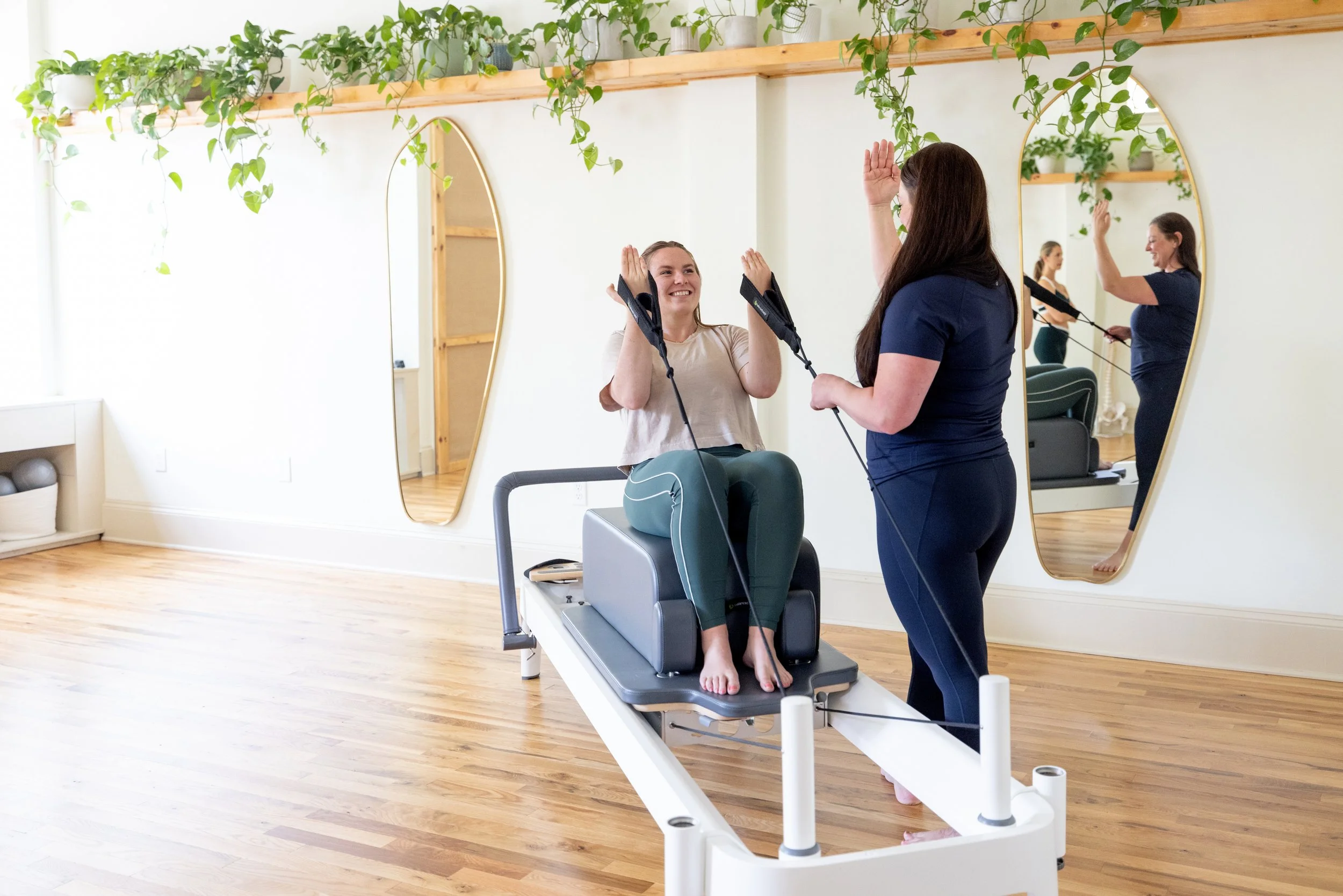
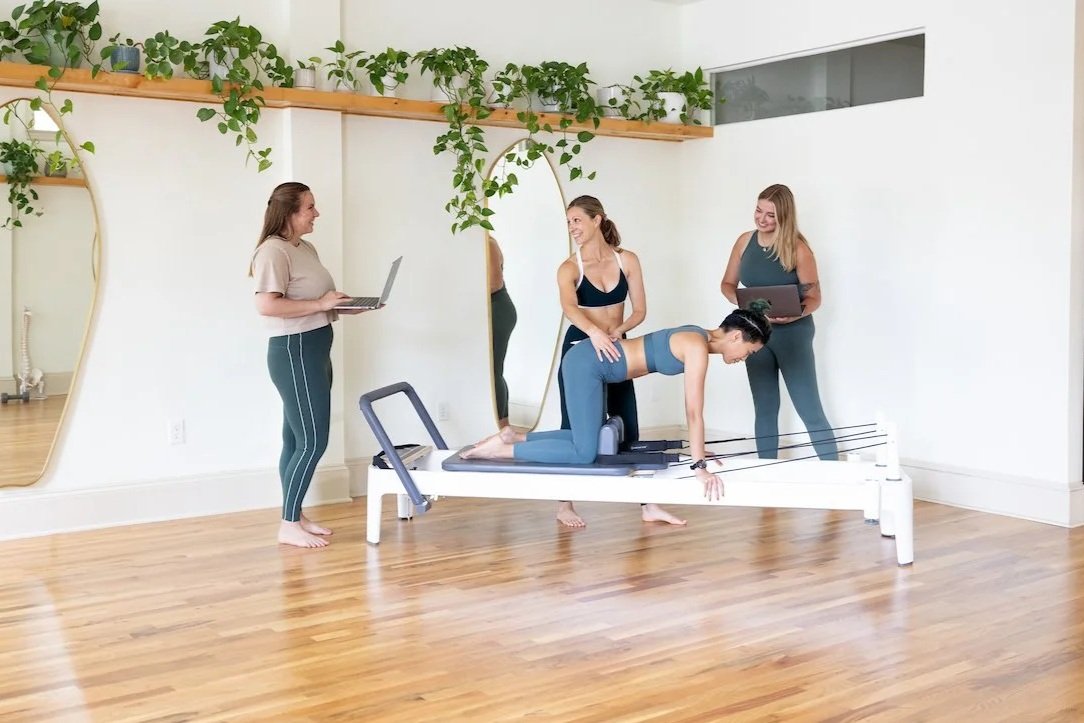
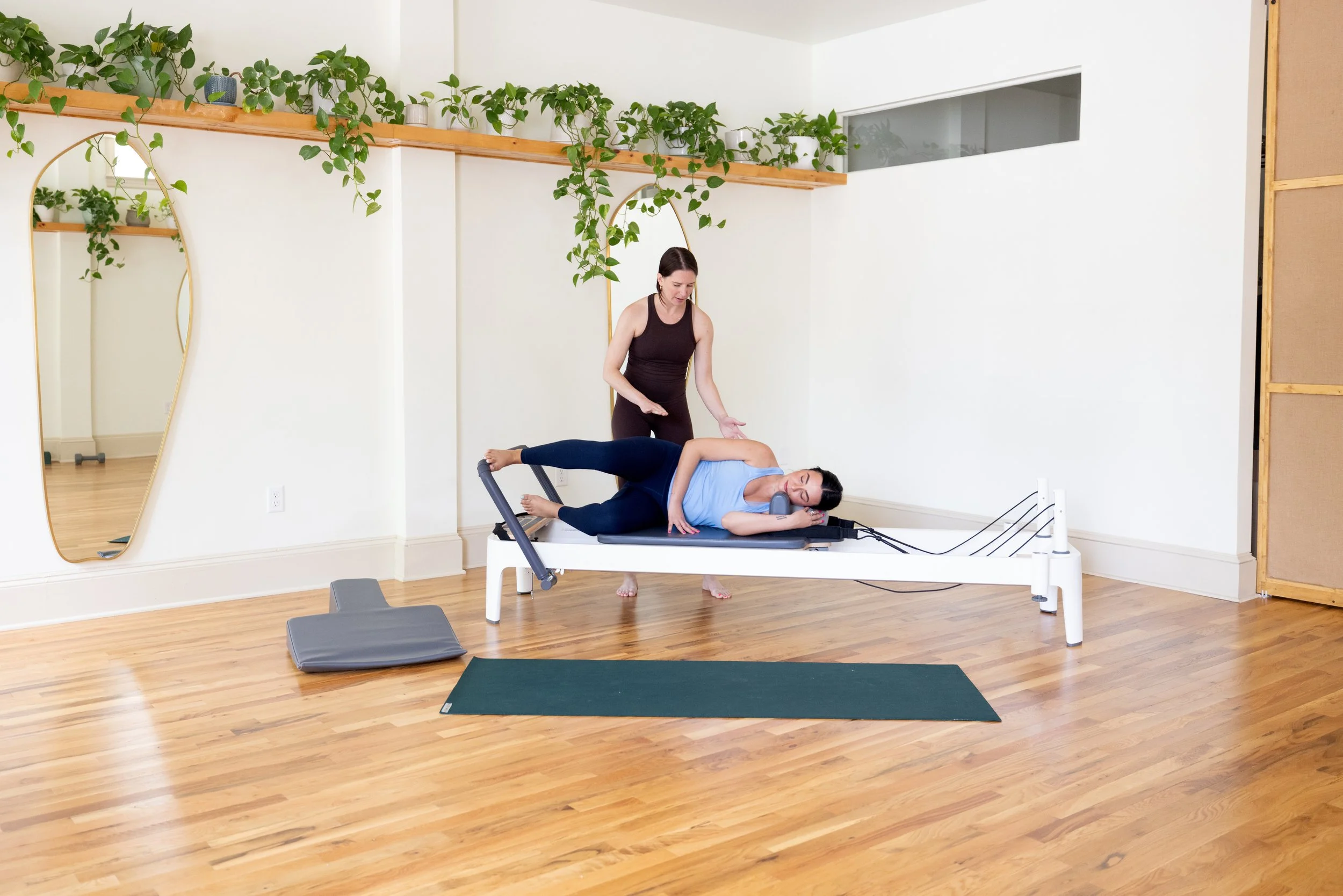


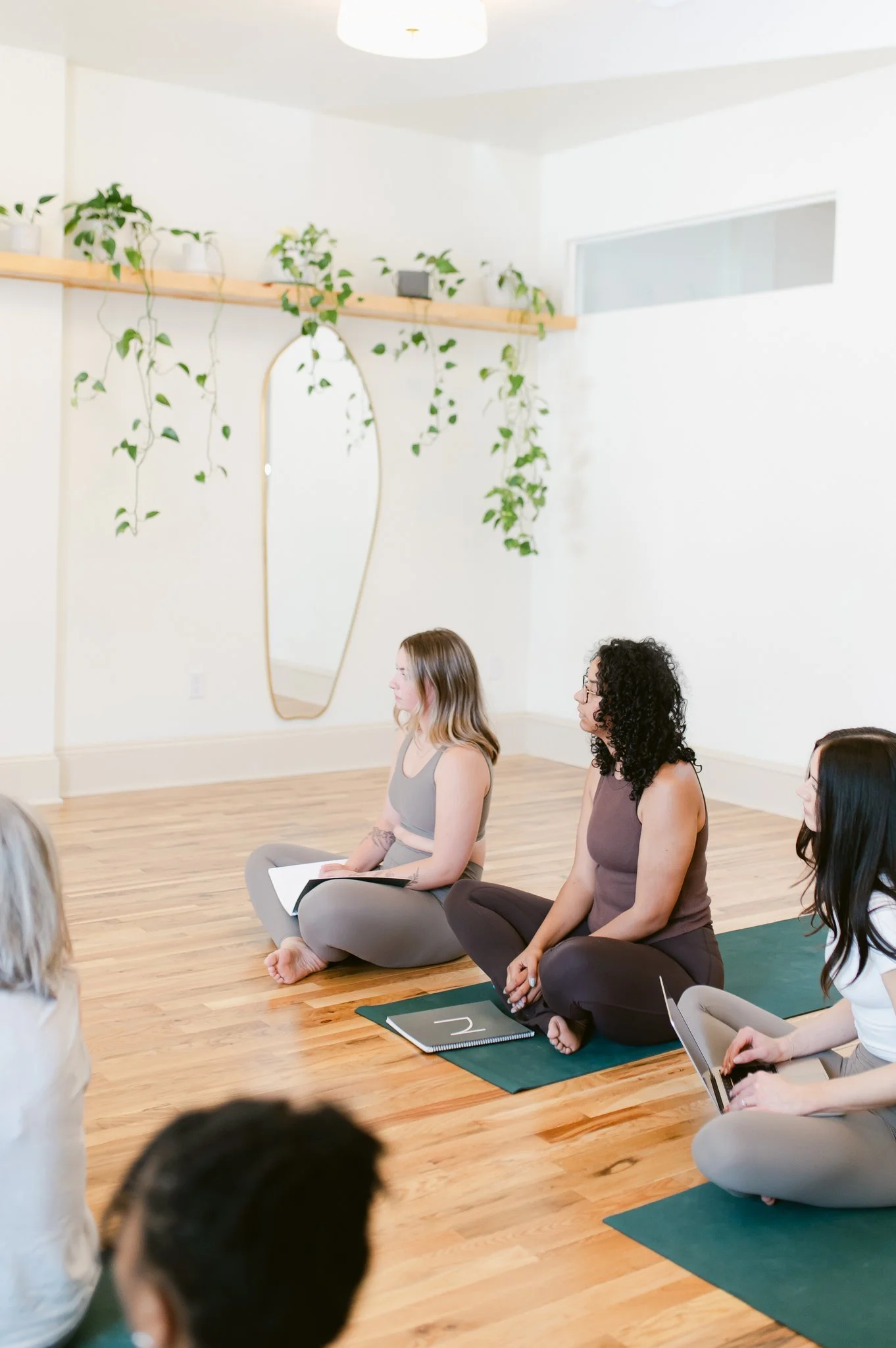
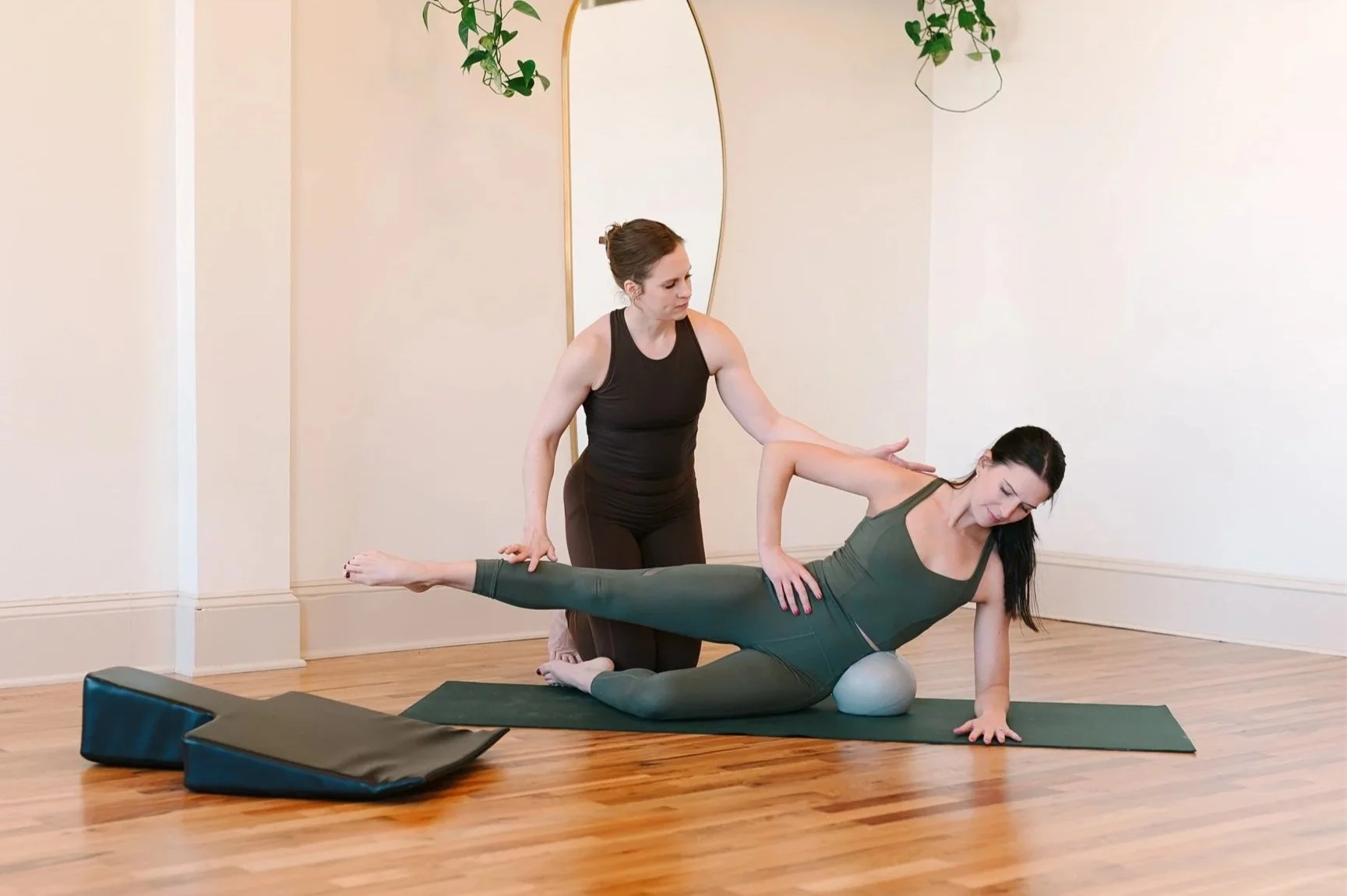
Pilates began as a small, teacher-to-student practice. When Joseph Pilates first developed his method in the early 20th century, instructors were trained directly under him or through apprenticeships with his students. As Pilates spread, different teachers developed their own interpretations, creating the classical, contemporary, and classical-contemporary hybrid styles we know today. Certification programs naturally followed suit, each building its own standards, philosophies, and approaches to movement education. That’s why today, there isn’t one governing body overseeing certification—just a rich variety of programs shaped by decades of evolution and innovation.
While that sounds intriguing and inclusive in theory, it can make it more challenging to decide which Pilates studio to attend for your own personal practice, but even more so when it comes to deciding which program to choose for furthering your education.
Generally, accreditation typically means that a program meets guidelines set by an external authority. Since Pilates doesn’t have a single global governing organization, certification standards vary. Some programs choose to align with the National Pilates Certification Program (NPCP) in the U.S., which offers a recognized exam for instructors. Others (like Niche’s Instructor Training (NIT) Program) set their own rigorous standards, emphasizing quality education, comprehensive anatomy study, and hands-on teaching practice that prepare instructors to thrive in real studio settings.
Niche Instructor Training (NIT) Program is recognized by major fitness education leaders including the International Sports Sciences Association (ISSA), the National Academy of Sports Medicine (NASM), and the Athletics and Fitness Association of America (AFAA). This recognition means that graduates of NIT can earn continuing education credits (CECs) toward their existing fitness certifications, ensuring that your Pilates training meets the high professional standards set by these respected organizations. It’s another way Niche bridges the gap between the traditional Pilates world and the broader fitness industry.
When no central authority exists, the responsibility and the opportunity lies with you. Here’s what to look for when choosing your training path:
Depth of curriculum: Look for programs that go beyond choreography and teach anatomy, movement mechanics, and cueing techniques. At Niche, we blend anatomy with our Niche cueing formula, so that clients move safely and effectively while deepening mind-body connection.
Mentorship and observation hours: Great programs give you time to observe, practice, and receive feedback.
Flexibility: If you’re balancing training with a 9-to-5 or family life, find a program that respects your schedule.
Reputation and results: Talk to graduates. What were their learnings and takeaways from the course? Where are they teaching now? Do they feel prepared and supported?
At Niche, we believe the absence of a single accrediting body doesn’t mean a lack of standards—it means an opportunity to set the bar higher.Niche Instructor Training was built to bridge the gap between flexibility and excellence. We offer both in-person and online certification options, supported by structured coursework, mentorship, and real-world teaching experience. Plus, we guide you through scheduling and goal-setting so your training fits naturally into your life, not the other way around.
There may not be one official organization governing Pilates certification, but that doesn’t mean you’re on your own. The most important factors are the quality of your education, the integrity of your instructors, and your commitment to the craft. At Niche, we’re proud to help aspiring instructors step into this unregulated space with confidence, credibility, and community. Because the real standard for Pilates excellence isn’t a seal of approval—it’s the care, knowledge, and passion you bring to every class you teach.